Cover Crop Seeding with Agricultural Drones: A Faster, More Flexible Way to Get Seed in the Ground
Cover crops are becoming an increasingly valuable tool for farmers looking to improve soil health, reduce erosion, manage weeds, and protect their fields between growing seasons. But getting cover crop seed applied at the right time can be challenging — especially when harvest schedules, wet conditions, or limited equipment create a narrow window.
Agricultural drones are providing farmers with another option.
Using a high-capacity spreading drone, cover crop seed can be distributed across fields quickly and efficiently, allowing growers to take advantage of application windows that might otherwise be missed.
Why Use a Drone for Cover Crop Seeding?
One of the biggest advantages of drone seeding is flexibility.
A drone doesn't require a tractor and spreader to drive across the field. That means cover crop seed can potentially be applied while the existing crop is still standing, depending on the crop, seed variety, application timing, and local conditions.
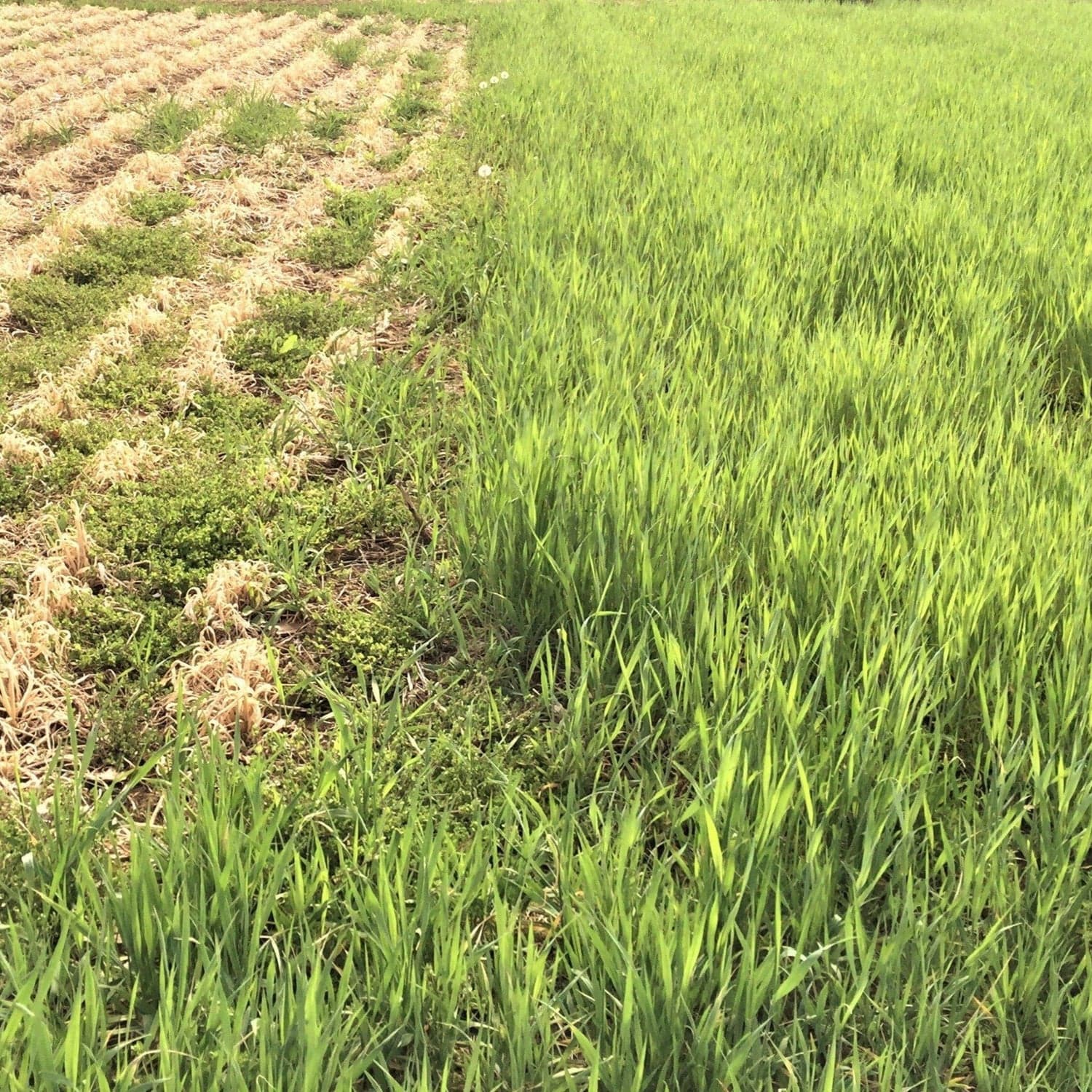
For example, cover crops can be aerially broadcast into a standing crop ahead of harvest. Once the existing crop is harvested, the cover crop is already positioned in the field and can take advantage of available moisture and favorable conditions for establishment.
This can be particularly useful when harvest is happening quickly and there isn't enough time to bring conventional seeding equipment into every field.
Less Compaction and Crop Damage
Because an agricultural drone flies over the field rather than driving through it, there is no need to put a tractor and heavy equipment across the entire field.
That can help reduce concerns about:
Soil compaction Tire traffic Rutting in wet conditions Driving through standing crops Damage to emerging cover crops
A drone can access areas that may be difficult for traditional equipment to reach, including wet spots, irregular field edges, and areas where running a large tractor isn't practical.
Timing Matters
Successful cover crop establishment often comes down to timing.
Getting seed applied when there is adequate moisture and enough growing season remaining can make a significant difference in establishment. Drone spreading gives growers another tool for getting seed out when the timing is right rather than waiting for the field to become available for conventional equipment.
Weather, crop stage, seed type, soil conditions, and the specific cover crop mixture all need to be considered when determining the appropriate application window.
What Can Be Spread with a Drone?
Agricultural spreading drones can handle a variety of cover crop seeds, depending on the equipment and seed characteristics.
Common cover crops include:
Cereal rye Annual ryegrass Radish Turnips Oats Wheat Clover Vetch Various multi-species cover crop mixes
Application rates vary significantly depending on the seed and the desired outcome. Seed size, density, spreading characteristics, field conditions, and the manufacturer's equipment recommendations should all be considered when setting up an application.
A Useful Option for Difficult Fields
Not every field is ready for a tractor when you need it to be.
Wet conditions can make conventional seeding difficult or potentially cause significant rutting and compaction. A drone can provide an alternative by applying seed from above without putting heavy equipment into the field.
This doesn't mean drone seeding replaces conventional drills or air seeders in every situation. Instead, it gives farmers another option when conditions, timing, or field accessibility make traditional methods less practical.
Building a Better Cover Crop Program
Cover crops can play an important role in a broader soil-management strategy. Depending on the cover crop selected and how it is managed, growers may use cover crops to help protect soil from erosion, improve soil structure, suppress weeds, capture nutrients, and maintain living roots between cash crops.
Drone seeding can make it easier to incorporate cover crops into that system by providing another way to get seed applied during tight windows.
The goal isn't simply to get seed spread across a field. The goal is to get the right seed, at the right rate, at the right time, with conditions that give it a reasonable opportunity to establish.
Drone Cover Crop Seeding in Nebraska
For Nebraska growers, agricultural drones are becoming another tool in the toolbox for managing acres efficiently.
At Nelson Drone Solutions, we provide agricultural drone services designed to help growers take advantage of these opportunities. Drone spreading can be especially useful when timing is tight, fields are difficult to access, or conventional equipment isn't the best fit for the situation.
If you're considering aerially applying cover crop seed, planning ahead is important. Seed type, target rate, field size, crop stage, weather, and desired establishment date can all affect the application plan.
Ready to Put Your Cover Crop Plan Together?
If you're considering drone-seeding cover crops on your operation, contact Nelson Drone Solutions to discuss your acres, seed type, target rate, and application window.
Nelson Drone Solutions Agricultural Drone Application & Cover Crop Seeding 402-326-5811 nelsondrone.com